


The United States is updating its energy policy in 2026 with a mix of new regulations, funding priorities, and strategic goals. These changes reflect efforts to balance environmental concerns, energy independence, economic growth, and the daily costs that families pay for heating, electricity, and transportation. From clean energy investments to updated rules for oil and gas producers, the policy shifts this year could influence how Americans power their homes, cars, and businesses.
Understanding the 2026 energy policy changes helps citizens, industries, and advocates see where the nation is headed and what it means for jobs, prices, and the environment. This article gives a comprehensive look at the key updates and why they matter.
Background: Energy Policy and Why It Matters
Energy policy determines how the government supports or regulates production and use of energy resources such as oil, natural gas, solar, wind, and nuclear power. It also shapes how energy infrastructure — like electric grids and pipelines — is developed and maintained. Because energy affects nearly every part of the economy, changes to policy can influence job growth, manufacturing competitiveness, climate goals, and consumer costs.
In recent years, debates over energy policy have centered on reducing greenhouse gas emissions, ensuring reliable electricity supply, and protecting national energy independence. 2026 builds on these discussions with new legislation, executive actions, and regulatory updates.
Clean Energy Goals and Climate Initiatives
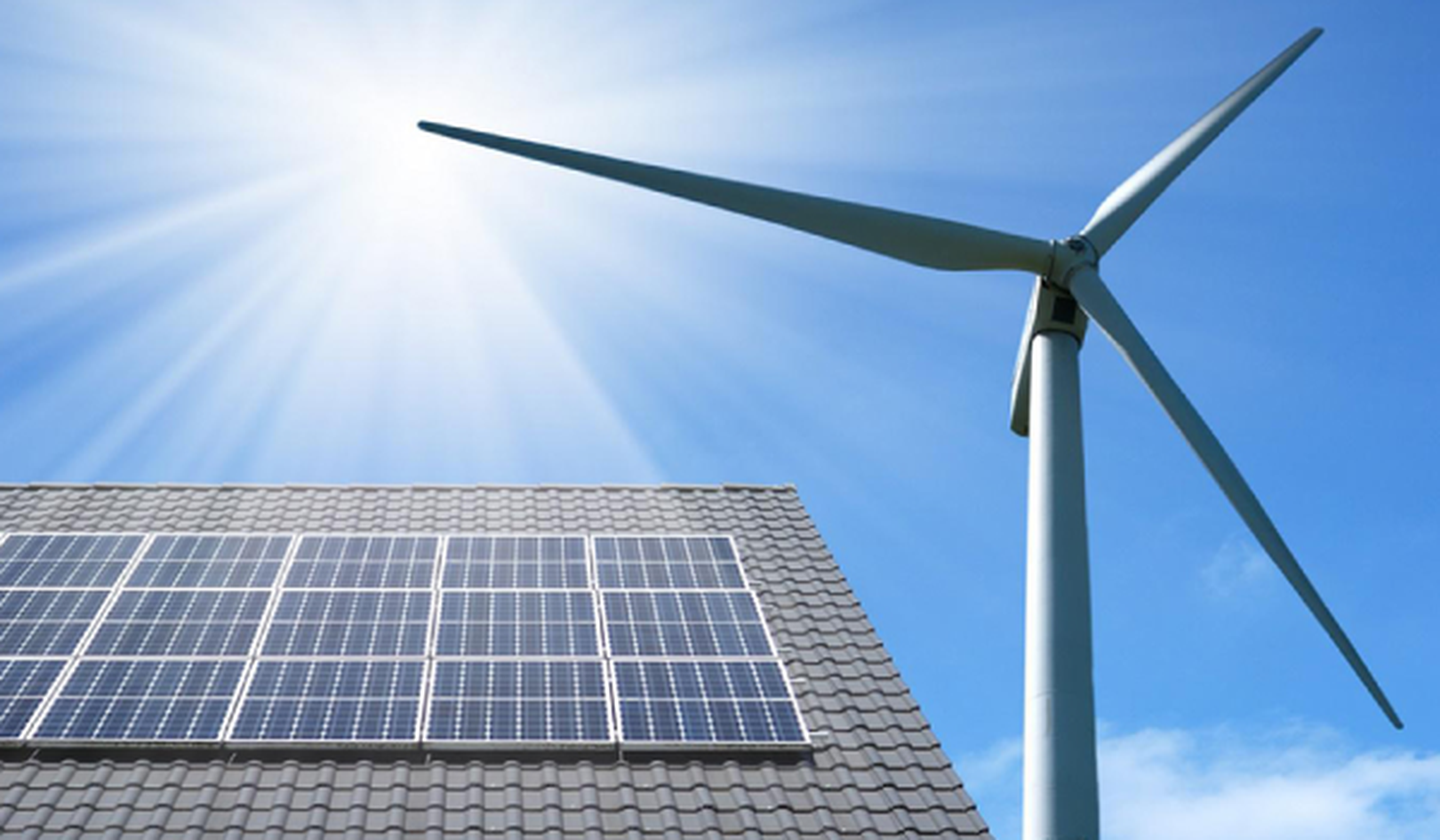
One major focus of energy policy in 2026 involves clean energy — sources that produce electricity without releasing greenhouse gases. Federal and state lawmakers continue to support solar, wind, hydropower, and geothermal projects to help meet climate goals and reduce carbon emissions.
A key element of the 2026 policy is expanded funding for renewable energy technology. This includes incentives for solar and wind farm construction and grants for research into advanced energy storage systems like batteries. Energy storage is important because it helps balance electricity when the sun isn’t shining and the wind isn’t blowing, making renewable power more reliable.
There are also updated targets for reducing emissions from power plants. These targets encourage utilities to shift from coal and oil toward cleaner fuel sources. Utilities that adopt cleaner technologies may qualify for tax credits and other financial support.
Supporters say these clean energy investments help protect the environment, create new jobs in emerging industries, and reduce long‑term energy costs. Critics sometimes express concern that rapid transitions could disrupt workers in traditional energy sectors unless there are strong training and support programs.
Fossil Fuel Regulations and Production
While clean energy is a priority, fossil fuels like oil and natural gas continue to play a major role in the US energy mix. In 2026, the federal government updated regulations affecting how fossil fuel companies operate.
One change involves stricter environmental standards for methane emissions. Methane is a potent greenhouse gas released during drilling and pipeline transport. New rules require companies to monitor and reduce leaks, which advocates say benefits the climate and air quality.
At the same time, the federal government is managing how leases for new drilling on public lands and offshore areas are offered. Some leases aim to support stable domestic production so that the U.S. remains less dependent on foreign energy markets, particularly during global price fluctuations.
Balancing environmental protections with steady energy supplies remains a central challenge. The 2026 policies try to address both by encouraging cleaner practices in fossil fuel operations while still allowing production to meet demand.
Electric Vehicles and Transportation Energy
Transportation is one of the largest sources of energy use in the United States, and 2026 policies include steps to shift away from gasoline‑powered vehicles toward electric vehicles (EVs) and other low‑emission options.
Federal incentives for electric vehicles continue in 2026, including tax credits for new EV purchases and funds for expanding charging infrastructure across highways and cities. These programs aim to make EVs more affordable and convenient for drivers.
In addition, updated fuel efficiency standards require automakers to design and sell more vehicles that use less fuel or run on electricity. These standards push the industry to innovate and reduce emissions from cars and trucks.
Electric public transit initiatives also receive funding to support buses and other fleet vehicles transitioning to electric power. These investments can reduce pollution in urban areas and lower operating costs for transit agencies over time.
Energy Infrastructure and Grid Modernization
A reliable energy grid is essential for powering homes, hospitals, schools, and businesses. In 2026, the federal government is investing in modernizing the national electric grid to improve reliability and better integrate renewable energy sources.
Funding supports upgrades to transmission lines, which carry electricity from power plants to communities. It also supports “smart grid” technologies that help operators detect outages quickly and manage energy flow efficiently.
These upgrades are especially important as extreme weather events — such as hurricanes, heat waves, and winter storms — become more frequent. A stronger grid can help prevent widespread blackouts and recover faster when disruptions occur.
Pipeline safety and updated infrastructure for natural gas distribution are also part of the 2026 agenda. These efforts aim to prevent leaks and improve safety while ensuring that energy supplies remain stable.
Consumer Costs and Energy Prices
Energy policy directly affects what Americans pay for electricity, gasoline, and home heating. The 2026 changes include measures to help reduce costs where possible.
For example, energy efficiency programs provide rebates for home improvements that reduce energy use, such as better insulation or more efficient heating systems. Lower energy use means lower bills for families.
Federal support for renewable energy and EV incentives can also help reduce long‑term fuel costs. Although installing solar panels or buying an electric car can have upfront expenses, policy incentives are designed to make these options more affordable.
At the same time, prices for gasoline and natural gas are influenced by global markets and production levels, so consumers may still see fluctuations that federal policy alone cannot control.
Jobs and Economic Growth
The transition to a cleaner, more modern energy system can create jobs in construction, manufacturing, engineering, and research. 2026 policies support workforce training programs to help workers gain skills needed in clean energy fields like solar installation, battery manufacturing, and smart grid technologies.
At the same time, policies recognize the importance of workers in traditional energy industries, with support for training and economic development in regions that rely on fossil fuel production.
Looking Ahead
The US energy policy changes in 2026 reflect a balancing act between environmental goals, energy reliability, economic opportunity, and consumer costs. As these policies take effect, they will influence how energy is produced, distributed, and used across the country.
For families, businesses, and communities, staying informed about energy policy helps with planning — from choosing an energy‑efficient home to considering an electric vehicle or evaluating employment opportunities in a changing energy landscape.